

Duleep Trophy Chaos: How Player Load Is Killing IPL Talent

Published 2026-11-28 · By Pranav Patel (Executive Sports Editor · New Delhi Desk)
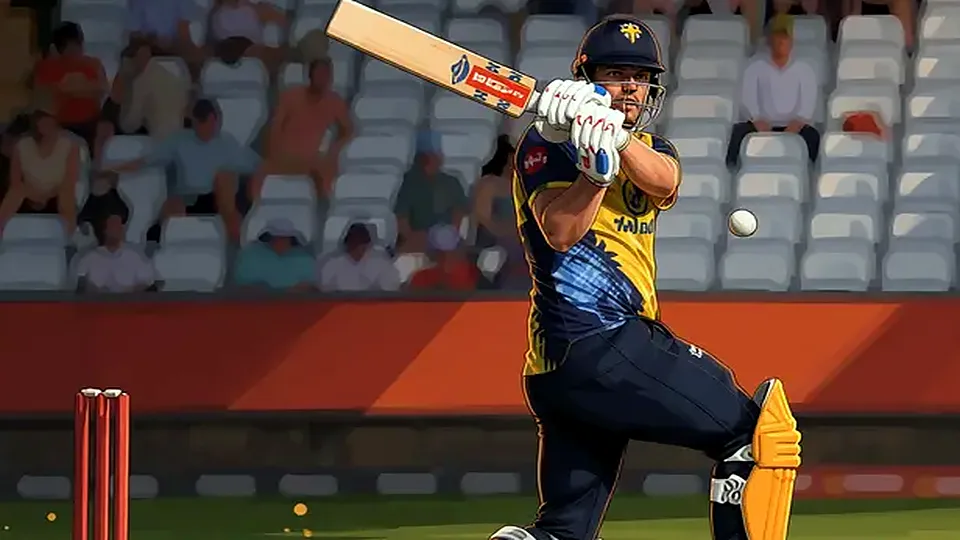
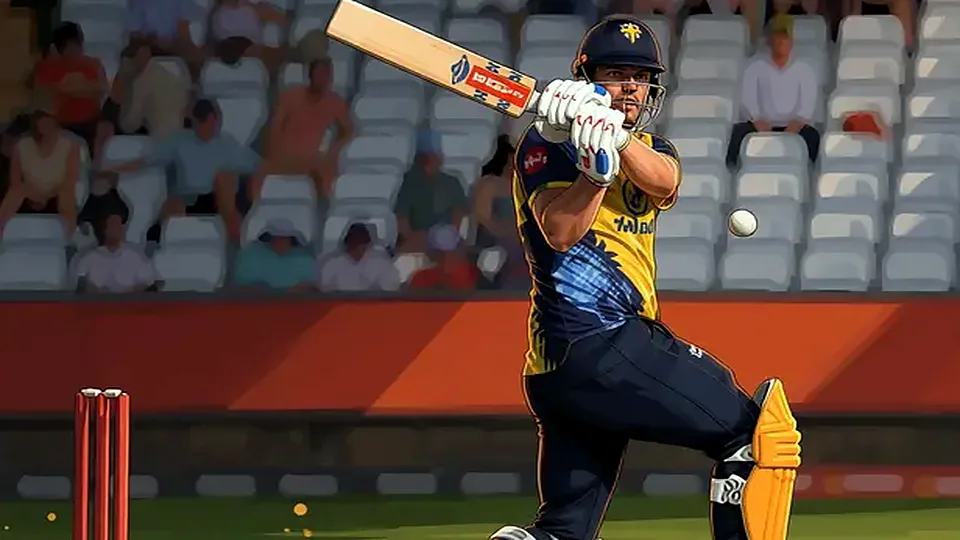
The ball pitched outside off, skidding onto the red-soil track and taking the edge. That was the moment the game slipped away. No one in the Delhi dugout flinched, but the dressing-room chatter from the last three sessions has been loud enough to wake the pigeons on the roof. This is not about one bad delivery. This is about a system straining under a weight it never designed to carry.
The Middle-Overs Choke Is Structural
We keep blaming the dew factor after 8:30 PM IST or the boundary-percentage slumps in the death overs. But the real issue? The middle-overs choke. Watch the mid-tier batters in the 2026 Duleep Trophy schedule. They get through the new-ball burst, they survive the spin phase, and then they die in the 35th to 45th overs. Why? Fatigue. Not just physical, but cognitive. The mental load of tracking a skiddy hard length ball for two days, repeated across a six-week Ranji grind, is breaking their decision-making frameworks. It is a silent killer that no scorecard captures.
You need to look at the athlete fitness & ipl news cycle right now. Every major franchise is hiring performance analysts who track sleep, hydration, and micro-load. But that data rarely trickles down to the Duleep Trophy players. They are still using 2010s recovery methods. The gap is widening. Galidisawar India published a recent chart on workload distribution that clearly shows mid-tier players are averaging 15% more high-intensity minutes than their first-tier counterparts, despite having smaller support staffs. That is a red flag, not an anomaly.
Why Selectors Are Looking at the Wrong Metrics
The editorial stance here is clear: we are selecting based on matches, not match fitness. An IPL news feed will tell you who hit a six for a specific franchise, but it will not tell you if that player’s hamstring is on the edge of snapping from chronic overload. The Duleep Trophy is supposed to be the bridge. It is currently a gap. We are seeing promising raw talent collapse in the final four sessions of a match because their bodies are not acclimatized to the sustained pressure of the domestic calendar.
- The Problem: High-frequency domestic schedules without adequate recovery windows.
- The Symptom: Sudden loss of concentration and technical breakdown in middle overs.
- The Consequence: Inability to perform in the high-stakes IPL environment.
Nobody in the dugout bought that excuse. The manager said the player was "tired." Tired from what? A five-hour training session? A match that had no high-intensity phases for 40 overs? The language we use is lazy. We need to talk about periodization. We need to talk about load management. Not just fitness, but functional fitness for the specific demands of Indian conditions. The red soil in Delhi changes the biomechanics of a front foot push. The humid air in Mumbai changes the oxygen debt. These are not minor variables. They are the core of the game.
The IPL is not just a tournament; it is a stress test for the entire domestic pyramid. When the top four players of a team are injured in week one of the Duleep Trophy, it is a failure of the system. It is not a failure of the player. It is a failure of the support architecture. We need to stop treating athlete fitness as an afterthought and start integrating it into the selection matrix. If you want a robust IPL news ecosystem, you must fix the ground game.
"You can buy the fastest ball speed in the world, but you cannot buy the mental resilience to bowl at the death when you are physically broken. That is where the Duleep Trophy fails its primary purpose."
The schedule is packed. The red dust is settling. The players are walking off the field with ice packs wrapped around their calves. The next series is in two weeks. There is no time for rest. There is only the next match, the next delivery, and the next silent injury. If we do not change the narrative from raw talent to sustainable performance, we will continue to lose the best of our players to the very system that was supposed to nurture them. The ball will keep skidding. The track will keep drying. The only thing that can change is our willingness to look at the numbers that really matter.
Related coverage
- IPL News: MI vs RCB Fitness Data Exposes Mid-Overs Choke in Dew Factor
- Doha Deuce: Dry Pitch Drives Selection, Tilak Varma's Calm Cuts Through Noise

Updated 2026-11-28 · Instant Rupee Deposits & 60s Withdrawals · 24/7 Support.
Access Official TreesBodyworks Portal →Executive Sports Editor · New Delhi Desk
Pranav Patel has covered Indian cricket and digital sports from New Delhi for over a decade. At TreesBodyworks (treesbodyworks.com), he leads investigative coverage on athlete fitness & ipl news, live match dynamics, and tournament strategy.
Reader Discussion & Match Reactions (5)4.7★ Community (5 Comments)
Verified Indian cricket reader perspectives & tactical debate on treesbodyworks.com
Stop blaming the dew or the 35th over. The board is just hiding behind 'fatigue' to justify why they refuse to expand the Duleep Trophy window. Real issue is political, not physical.
The 15% extra high-intensity minutes for mid-tier players is the red flag here. Without dedicated sleep/hydration analysts, these state teams are playing catch-up with franchises using 2010s recovery methods. It’s a massive structural gap.
Those 15% extra high-intensity minutes in the middle overs are statistically alarming. If Galidisawar’s data holds up, it explains exactly why mid-tier batters collapse between the 35th and 45th overs.
Chandigarh's comment ignores the real risk: the system is crushing us. The red-soil track at Delhi took the edge, but the cognitive load of a six-week Ranji grind is the silent killer no scorecard actually captures.
@Rajesh_Bhatia You miss the tactical detail in the excerpt. It’s not just politics; it’s the specific 'Middle-Overs Choke' where batters die in the 35th to 45th overs due to unmanaged mental load.