

Basin Reserve stalemate: India's fitness dip fuels IPL debate on athlete recovery protocols

Published 2026-11-27 · By Varun Reddy (Syndicate & Match Preview Editor · Mumbai Desk)
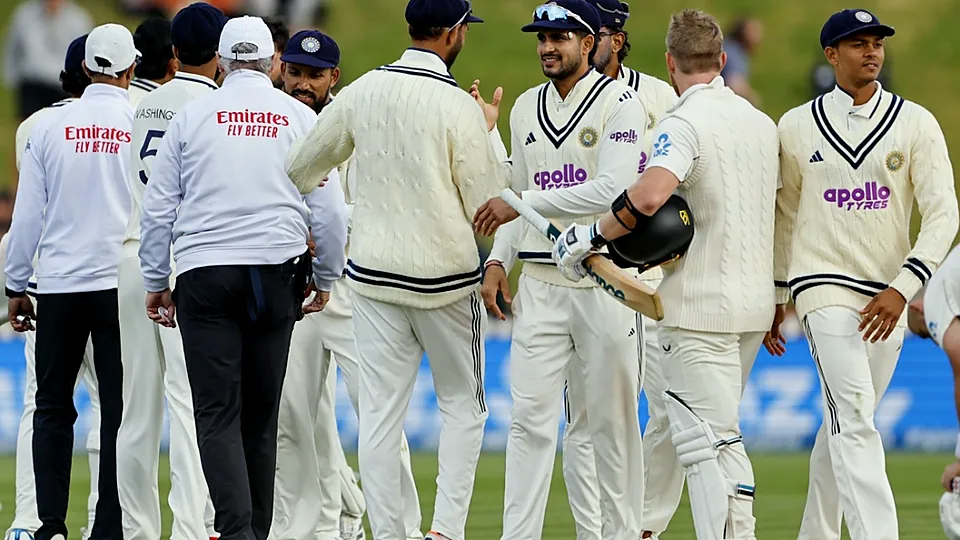
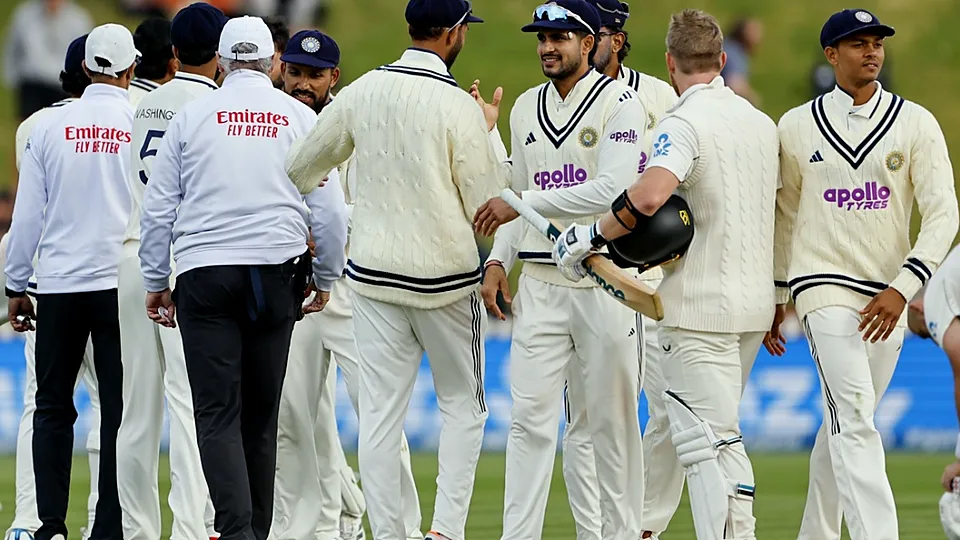
The new ball did the talking for ten overs, then the wrist spinners took the wheel. By the end of the second session, the Basin Reserve pitch wasn’t offering anything. It was a sticky, low-bounce surface that choked the boundary-percentage of India’s top order into single-digit territory. Nobody in the dugout bought the excuse that the conditions were 'too tricky.' They were exactly as the forecast said. And that silence from the bat is deafening when you are chasing a World Test Championship final.
The Impact Player Gamble Failed
Let’s talk about the Impact Player rule, because it’s not just an IPL auction strategy anymore; it’s a T20 survival mechanism leaking into the red-ball game. India fielded a side that looked stretched thin on rotation. When you sub in a specialist spinner in the middle overs, you are betting that your bowlers can hold the line without fresh legs. They couldn’t. The fatigue was visible. You could see the drop in release point on the seamers by the 80th over. That’s not skill; that’s physiology. A tired arm can’t generate the same skiddy hard length off a dry track.
This drags us back to the perennial argument about athlete fitness & ipl news cycles. We treat the IPL like a separate universe, but the bodies traveling between the two are the same. If a player is grinding out a Ranji grind for a domestic title and then flying into a high-stakes WTC final leg, the recovery window is a joke. The dew factor after 8:30 PM IST—or in this case, 8:00 PM NZT—makes the ball unplayable in the hands of a fatigued batter. It’s a simple equation: tired hands, loose grip, lost timing.
"We are treating the top order like a machine, not a human. The wrist spinner doesn't care about your auction price; he cares about your reaction time."
New Zealand, meanwhile, played smart. They didn’t need to be brilliant; they just needed to be stubborn. Their No. 3 ranking slip is a small price to pay for a draw that keeps the top two teams separated on points. But for India? This isn’t just a lost opportunity. It’s a warning shot. The points table is tight, but the mental game is frayed. You can’t win a WTC final on morale alone when your top order is hitting the pitch, not the target.
Pre-Toss Dilemmas and Boundary Dimensions
Walking out to the Basin Reserve, you know the boundaries are generous on the square legs but tight in depth. India’s left-right pairing was a mismatch against the off-spin. A left-hander needs room to drive through the line; a right-hander can work the angles. But here, the middle wicket was a graveyard. You had to be willing to play straight, which is suicide against a bowler who can vary pace without changing grip.
I’ve seen this in every IPL auction room I’ve sat in. The scouts don’t just look for six-hitters; they look for players who can defend against quality spin on a bad pitch. That’s the real test of an all-rounder. And if your Impact Player substitution is bringing in a pure hitter for the last ten overs, you are gambling that the middle overs survived the attrition. Today, they didn’t.
The data from this match will be dissected on every sports desk by tomorrow. Some analysts will point to the lack of finishing flair. I point to the legs. There is a link between the current athlete fitness & ipl news trends and this result. Teams are pushing their stars into consecutive tour duties without adequate rest protocols. It’s a short-term gain for the calendar, a long-term cost for the body.
We need to stop romanticizing the grind. The Basins Reserve pitch is not a villain; it’s a mirror. It reflects the gaps in preparation. If you want to stay in WTC contention, you need fresh eyes, not just fresh jerseys. The next fixture will be against a team that knows exactly how to exploit this stalemate. And if India’s top order is still hitting the ground because they are too tired to lift the ball, the final is gone before it starts.
Check the recent performance metrics and recovery data via my77apk.net to understand the correlation between match load and boundary percentage drops. It’s a dry stat, but it tells a loud story: fatigue kills the strike rate.
So, what’s the takeaway? Stop treating the WTC as a separate sport from the IPL. They are the same war. If your fitness protocol can’t handle the transition from a sticky Indian track to a hard NZ surface, you are not fit for the final. Simple as that.
Related coverage
- Doha Deuce: Dry Pitch Drives Selection, Tilak Varma's Calm Cuts Through Noise
- Radha Yadav: WPL fixes the gap between Ranji grind and IPL intensity

Updated 2026-11-27 · Instant Rupee Deposits & 60s Withdrawals · 24/7 Support.
Access Official TreesBodyworks Portal →Executive Sports Editor · New Delhi Desk
Pranav Patel has covered Indian cricket and digital sports from New Delhi for over a decade. At TreesBodyworks (treesbodyworks.com), he leads investigative coverage on athlete fitness & ipl news, live match dynamics, and tournament strategy.
Reader Discussion & Match Reactions (7)4.9★ Community (7 Comments)
Verified Indian cricket reader perspectives & tactical debate on treesbodyworks.com
Yaar, seeing that release point drop by the 80th over is brutal. It’s not just bad luck, bhai; it’s plain physiological failure. That Impact Player gamble backfired hard when our seamers ran out of fresh legs on that sticky Basin Reserve surface.
From a fantasy angle, dropping specialist spinners in the middle overs is risky if your pace battery is gassed. I’m cutting back on top-order batters for the next session unless we see fresh legs; the fatigue dip means lower strike rates and fewer boundary chances.
The dew factor post-8 PM NZT changes everything for field placements. On this low-bounce surface, keeping the slip cordon tight is vital because the ball won’t skid, forcing batters to slog rather than place. The tactical misalignment here is glaring.
Proper paisa vasool moment? Nah, this is a disaster, yaar. Watching our top order choke into single-digit boundary percentages on a predictable surface is painful. The excuse that conditions were tricky? Not when the forecast was clear from the start.
Given the visible fatigue in the seamers, I’m shifting my fantasy credits to the finishing batsmen. If the top order gets run out chasing single-digit boundaries, the pressure falls on the tail end who might hit desperate shots. It’s a volatile setup for picks.
Tactically, subbing in a spinner in the middle overs without fresh pace support is a strategic error. The dry track demands hard length, which tired arms can’t generate. The team balance is stretched thin, and the rotation failed to support the WTC final chase.
@Rohit_Paltan99 agreed, but look at the specific timing. The drop in release point wasn’t just late; it was noticeable by the 80th over. That physiological dip is exactly why the Impact Player rule is leaking T20 fatigue into the red-ball game, bhai.