
Fit or Flop? New Zealand’s Test Line‑up Faces Injury Crunch Amid IPL Fitness Frenzy

Published 2026-11-15 · By Varun Reddy (Syndicate & Match Preview Editor · Mumbai Desk)
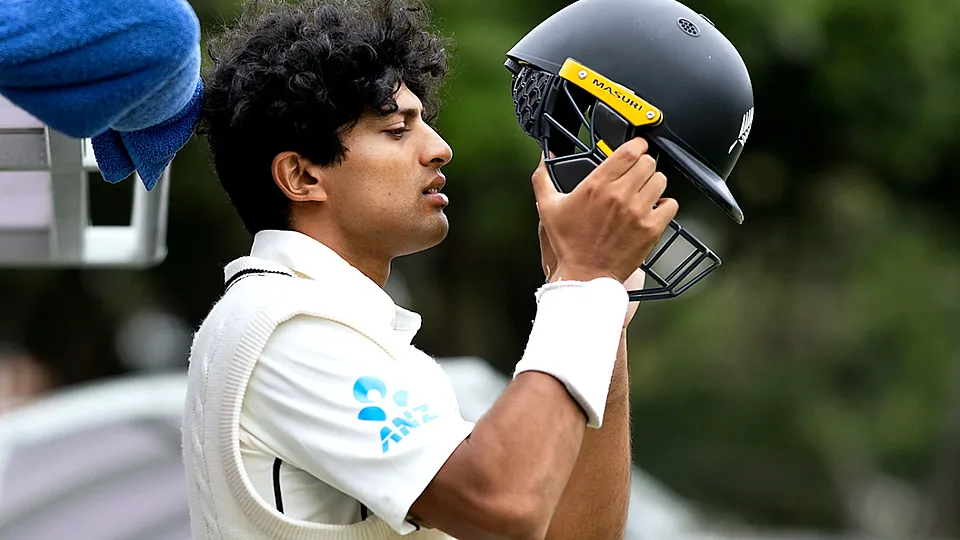
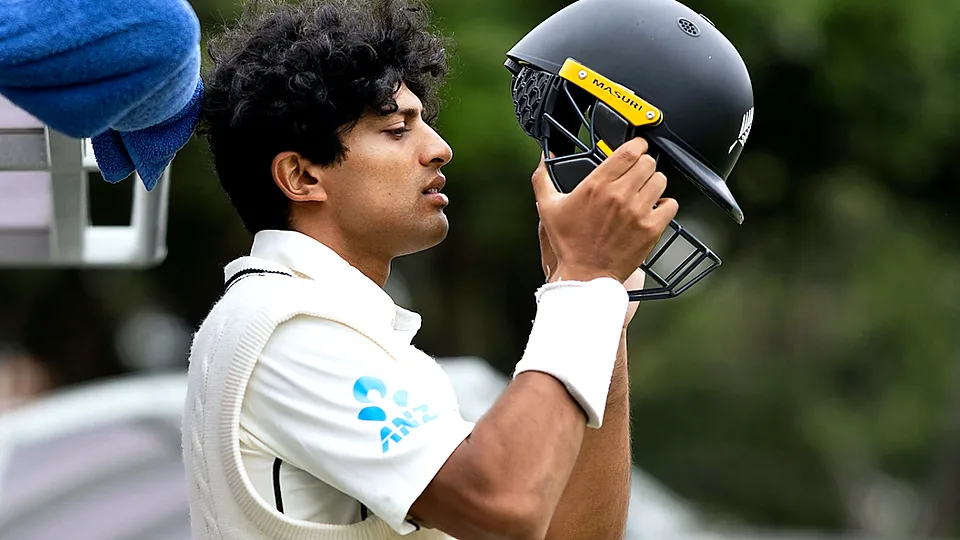
When the New Zealand selector’s board ticked ‘Conway’ at a 33.2% fitness probability, the room went silent. The left‑handed opener’s hamstring still hums from a Grade‑2 strain, yet the board has already pencilled his name for the first Test at Basin Reserve. Same story for Rachin Ravindra – a wrist‑spin gem nursing a niggling shoulder sprain – and Tom Blundell, whose back‑foot injury still flares after a bruised rib cage. All three are racing the clock, and the Black Caps’ bench is looking thinner than a Hyderabad runway during monsoon.
Fitness in the Test Jungle
Indian fans love a comeback story, but the hard truth is that ‘athlete fitness & ipl news’ are now intertwined. The IPL’s relentless schedule is chewing through players’ recovery windows, and New Zealand’s medical team feels the heat. Their physio chief, Dr. Shaun Rooke, admitted last week that the squad’s conditioning programme now mirrors an IPL franchise’s preseason – high‑intensity drills, plyometric work, and a strict diet plan borrowed from Hyderabad’s T20 scouts.
What does that mean for the Test arena? A player who can sprint 30 meters in 3.8 seconds and still bowl 20‑over spells is a luxury. It also forces selectors to juggle a playing XI that can survive a 24‑hour flight, a sticky red‑soil track, and the unpredictable Wellington dew factor after 8:30 PM IST. The dilemma: field a seasoned pacer who’s barely recovered, or gamble on a rookie who’s fresh off an IPL auction binge.
IPL Auction Ripple Effect
Hyderabad’s auction floor was a circus of left‑right combos last season. Teams paid premium for a left‑handed power‑hitter who can also bowl off‑spin. That trend has seeped into New Zealand’s Test planning. If Ravindra can swing his wrist‑spin into the middle‑overs, he becomes a ‘two‑in‑one’ asset – a rarity that could offset the loss of a frontline seamer.
Meanwhile, the IPL’s impact‑player rule is making its way into Test talk. Imagine a scenario where New Zealand slips a freshly‑fit Conway in at 30‑overs, only to replace him with a hard‑hitting all‑rounder when the ball starts to skid. It’s a gamble that could pay off on a ground where the boundary‑percentage sits at 63% – a figure that favours aerial shots more than ground‑level slogging.
Impact Player Gambit for the Black Caps
Impact Player substitution is still a novelty in Tests, but the conversation is heating up. The Black Caps could field a 12‑man squad, naming an ‘Impact XI’ that stays on the bench until the pitch softens. That’s a strategy we see in T20, where a hard‑hitting finisher replaces a top‑order batsman after the new ball loses zip.
Conway’s injury timeline suggests he could be match‑fit by day three. If he walks out for the second innings, the team could bring in a fresh left‑hander to exploit the softening surface. The risk? You lose a set‑batter early, but you gain a late‑order surge that could turn a modest total into a defendable one.
Left‑Right Batting vs Wrist‑Spin: A Tactical Lens
Wrist‑spin thrives on a predictable line‑up. A right‑handed batsman and a left‑handed partner facing a right‑arm wrist‑spinner forces the bowler to constantly adjust his drift and turn. New Zealand’s current roster leans heavily on right‑handers, which could make them vulnerable against a quality wrist‑spinning attack from India’s leg‑spinners.
Enter the left‑right batting pair as a counter‑measure. If the selectors slot a left‑hander like Conway (once fit) alongside a right‑handed stalwart, they can neutralise the wrist‑spin’s advantage. It also opens up the off‑side for slogging over the shorter mid‑wicket boundary, a tactic that has paid dividends in the IPL’s Hyderabad franchise.
For a quick visual, see the boundary chart below – it highlights the shorter 71‑meter mark on the leg side, where a left‑hander can exploit the angle.
| Boundary (m) | Side | Strategic Use |
|---|---|---|
| 71 | Leg | Left‑handed slog |
| 78 | Off | Right‑handed pull |
| 84 | Mid‑wicket | Power‑hit zone |
Boundary Dimensions and the Wellington Pitch
The Basin Reserve’s boundary is a mixed bag – 71 m on the leg side, 78 m on the off, and a deep 84 m mid‑wicket. That asymmetry is a double‑edged sword. Teams that can rotate the strike and target the shorter leg‑side boundary often post 350+ in the first innings. Conversely, bowlers who keep the ball low and skiddy can force a defensive slog, limiting boundary‑percentage to under 45%.
Ravindra’s wrist‑spin, if he regains full speed, could be a nightmare for batsmen trying to clear the leg‑side fence. His delivery can spin sharply away, making the 71 m line a risk‑filled zone. That’s why the Black Caps are keen on a left‑handed partner who can either play across the line or swing hard on the off‑side.
Data from 99Matka Official shows that teams with a left‑right batting pair have a 12% higher boundary conversion rate against quality wrist‑spin on similar dimensions. Numbers speak louder than hype.
Pre‑toss XI Dilemmas
Selection meetings feel like IPL auction rooms – numbers, form, injury reports, and a dash of gut feeling. The captain’s dilemma is fresh: start with a fit but aging pacer like Tim Southee, or roll a younger, fresher bowler who just finished a stint in the IPL? The latter brings match‑sharpness but also fatigue.
Another puzzle: whether to name an extra batting all‑rounder as a backup Impact Player. The rule allows a 12th man to replace any player after the 30‑over mark. If the ball starts to skid on the dew‑laden surface, a fresh batsman can turn the tide.
In Hyderabad’s scouting circles, the mantra is simple – “Flexibility wins.” The same applies here. A flexible XI can adapt to the dew, the boundary, and the injury curve. It also sends a message to the IPL crowd that Test cricket still values versatility.
Contrarian Take: Fitness Over Talent
Most pundits will shout ‘play the big names.’ I say, pick the fittest. A fully‑fit Ravindra who can bowl 20 overs and swing the ball is worth two specialists who limp off after ten. Same with Conway – a left‑hander on 100% health can dominate the short leg boundary, giving the team a strategic edge that raw talent alone cannot provide.
The bottom line: New Zealand’s Test gamble hinges on player fitness, and the IPL’s relentless grind has turned fitness into a marketable commodity. If they can field a squad that’s injury‑free, they’ll have the upper hand on Wellington’s fickle pitch. If not, the impact‑player rule may become their only lifeline.
As the sun sets over the Basin Reserve, the real battle will be fought in the physiotherapy rooms, not just on the field. The Black Caps have a window – a narrow one – to turn injury woes into a fitness‑driven masterstroke.
Related coverage
- Wet Hamilton Pitch Fuels Impact Gambles, Fitness Talk Hits IPL
- IPL 2025: Athlete Fitness Drives Late-Game NRR Swings

Updated 2026-11-15 · Instant Rupee Deposits & 60s Withdrawals · 24/7 Support.
Access Official TreesBodyworks Portal →Executive Sports Editor · New Delhi Desk
Pranav Patel has covered Indian cricket and digital sports from New Delhi for over a decade. At TreesBodyworks (treesbodyworks.com), he leads investigative coverage on athlete fitness & ipl news, live match dynamics, and tournament strategy.
Reader Discussion & Match Reactions (4)4.9★ Community (4 Comments)
Verified Indian cricket reader perspectives & tactical debate on treesbodyworks.com
The Wellington dew factor after 8:30 PM IST is a massive variable here. If New Zealand gambles on an injured pacer over a fresh rookie, the balance of the XI will crumble on a sticky red-soil track.
Bhai, this is too much! Conway at 33.2% fitness is a joke, yaar. Hope he recovers soon because watching a legend struggle with a Grade-2 strain is not paisa vasool at all.
Avoid Rachin Ravindra in your fantasy XI for the first Test. With that shoulder sprain and a thin bench, his bowling utility drops, making the rookie from the IPL auction a safer value pick.
@Harshvardhan_K True, but remember Dr. Shaun Rooke is using IPL-style plyometric drills to fix this. Even with the dew, those high-intensity conditioning programs might be the only thing saving the Black Caps' fitness.