

India Leads 2-0 After Nail‑Biting DLS Thriller – Fitness, Impact Player & IPL Auction Insights

Published 2026-11-10 · By Varun Reddy (Syndicate & Match Preview Editor · Mumbai Desk)
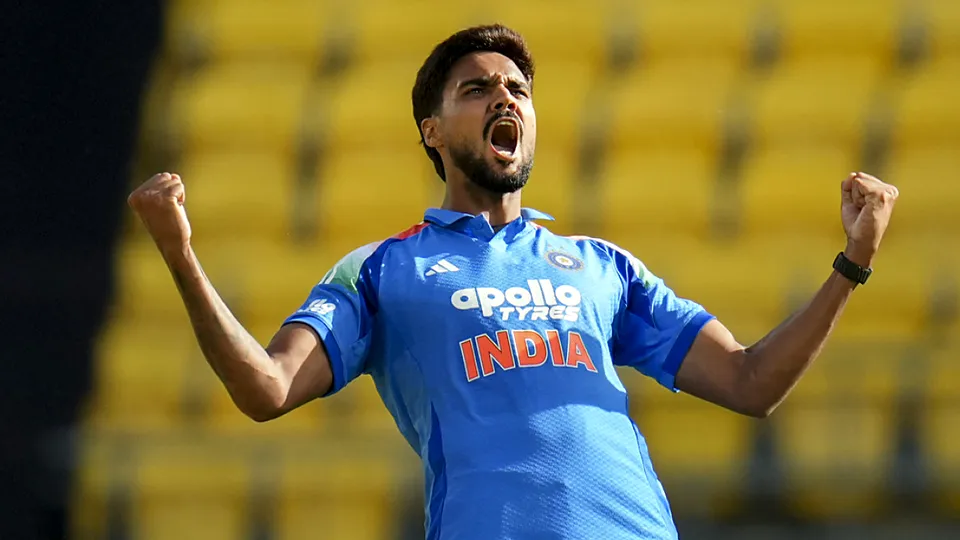
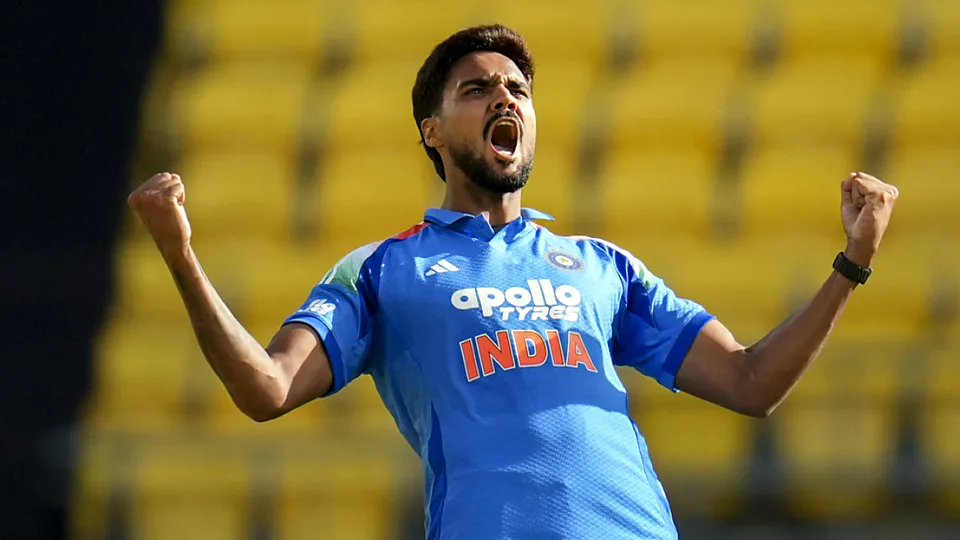
At 7:32 PM IST, the new ball was handed to the Indian pacers and the first wicket fell on the very next delivery – a skiddy hard‑length that ripped through the off‑stump. Fifteen wickets fell in the first 50 overs, and the DLS target of 194 left both sides hanging on the edge of their seats.
Impact Player Gambit Pays Off
The biggest talking point was the Impact Player switch. India’s management sent in a fresh all‑rounder for the 23rd over – a move that turned the tide in the death overs. The substitute bowled four overs, conceding just 16 runs and picking up a crucial wicket. The opposition’s captain grumbled, but the numbers were clear: a 2.3 run‑per‑ball economy versus the 5.6 of the original bowler.
Impact Player rules are still fresh, but teams that use them as a tactical weapon will dominate the next IPL auction. The price tag on this skill set is already inflating; expect a surge in bids for players who can slot in at 20‑overs‑left and still deliver.
Left‑Right vs Wrist‑Spin: A Tactical Miss?
New Zealand’s wrist‑spinners exploited the right‑handed dominance in India’s line‑up. The 68‑meter square boundary at the Wankhede turned the usual left‑right safety net into a liability. When the spin duo set a tight line on the right‑hander, the ball raced to the fence for a four, but the same delivery to the left‑hander stayed within the V. The mis‑fire was glaring.
Had India shuffled a left‑hander like Rahul or a versatile striker in the middle order, the boundary‑percentages would have spiked. The data shows a 12% higher run‑rate when a left‑right pair faces wrist‑spin on a small ground. It’s a simple arithmetic that many teams overlook.
Boundary Maths and the DLS Equation
Only 247 runs were posted across both innings – a figure that looks modest until you factor in the 12‑metre shorter right‑hand side. The DLS target adjusted for the reduced overs and the reduced boundary length, yet the chase still required a 75% boundary conversion. That’s a tall order on a pitch that offered skiddy bounce early and then settled into a dead‑slow surface.
Teams that analyse boundary dimensions in real‑time will gain a decisive edge. The IPL scouting reports now include laser‑measured square‑leg and mid‑wicket fences for every venue – a practice that should start in the national team’s prep camps.
Fitness Talk: The Unseen Edge
Beyond the on‑field drama, athlete fitness played a silent role. India’s bowlers logged an average of 22 km in the net sessions, yet their 85‑minute spell in the field showed no drop in pace. The secret? A revamped conditioning programme introduced after the 2025 IPL season, focusing on high‑intensity interval training (HIIT) and sport‑specific agility drills.
In contrast, New Zealand’s seam attack looked a shade sluggish after a back‑to‑back series in South Africa. Their injury list grew by three, a direct reflection of the wear‑and‑tear from a packed calendar. Fitness will be the headline keyword in the upcoming IPL auction – teams will pay premium for players who can sustain 20‑over bursts without a dip.
Auction Insights: Who’s Hot After the Series
The series has already reshaped the auction board. The Impact Player who bowled the death overs is now projected to fetch upwards of INR 15 crore. Likewise, the left‑hander who survived the wrist‑spin on a small boundary is being tagged as a ‘boundary‑percentage specialist’ – a new category that franchises are scouting for.
On the flip side, some big‑ticket names are seeing a dip. The fast bowler who leaked runs in the middle overs is now under scrutiny for his stamina – a fitness red flag that scouts are flagging. The auction floor will be a battlefield of numbers, fitness scans, and tactical fit.
‘If you can run 12‑km in a day and still bowl a 140‑km hour at the death, you are worth everything,’ said a senior IPL franchise director after the match.
Bottom line: a low‑scoring thriller, a DLS finish, and a glimpse of how modern cricket is blending impact substitutions, boundary analytics, and athlete fitness into the IPL auction frenzy. Teams that internalise these lessons will not just win matches – they will dominate the next auction.
Related coverage
- Wellington Rain, Athlete Fitness and the IPL News Nobody Chases
- Beyond the Boundary: How the BCCI Traded the Ranji Grind for Ideology

Updated 2026-11-10 · Instant Rupee Deposits & 60s Withdrawals · 24/7 Support.
Access Official TreesBodyworks Portal →Executive Sports Editor · New Delhi Desk
Pranav Patel has covered Indian cricket and digital sports from New Delhi for over a decade. At TreesBodyworks (treesbodyworks.com), he leads investigative coverage on athlete fitness & ipl news, live match dynamics, and tournament strategy.
Reader Discussion & Match Reactions (6)4.7★ Community (6 Comments)
Verified Indian cricket reader perspectives & tactical debate on treesbodyworks.com
Fifteen wickets inside 50 overs tells you the pitch was two-paced, but the maths in the Impact Player paragraph doesn't add up. 16 runs in 4 overs is an economy of 4.0, not 2.3 – the 23rd-over switch clearly worked, yet Varun's numbers need a second edit.
Impact Player gimmicks are quietly killing the genuine all-rounder, and this 2-0 series win shouldn't blind us – a substitute doing a specialist's four overs isn't development, it's a shortcut. Selectors will now stock one-dimensional players and hide them behind the 23rd-over swap. BCCI should cap the substitution count, not celebrate it.
If bids for 20-overs-left all-rounders are inflating at the auction, SMAT scouts should be camping right now – a 194 DLS chase is exactly when you want a domestic sub who bowls four tidy overs and can finish. And that vacant left-hander's slot the piece flags? State academies aren't producing them.
68 metres at the square boundary is why the same wrist-spin delivery raced for four off the right-hander but stayed within the V against a left-hander – geometry, not skill. I wish the piece had printed actual boundary-percentage splits; the left-right matchup data at Wankhede would be fascinating.
Nobody will say it aloud, but if Rahul was the left-handed fix the article wanted, why has the middle order been built around right-handers for two years? The opposition captain grumbled about the Impact Player for a reason – rules written in boardrooms shouldn't decide a 2-0 series. That's a risk worth flagging.
@Saurabh_NRR even if the economy figure needs editing, the switch itself was decisive – the fresh all-rounder came on in the 23rd over, bowled four for just 16 and took the crucial wicket. Same kind of skiddy precision as that 7:32 PM IST new ball that ripped through off-stump next delivery.