

Wellington’s Seam Test Fuels IPL Fitness Talk: Impact Player Gambles & Boundary Math

Published 2026-11-09 · By Varun Reddy (Syndicate & Match Preview Editor · Mumbai Desk)
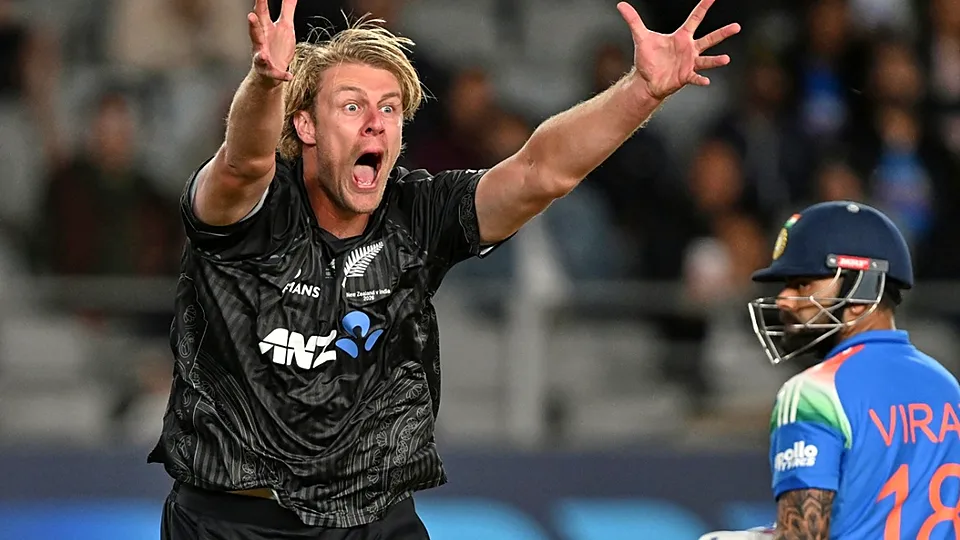
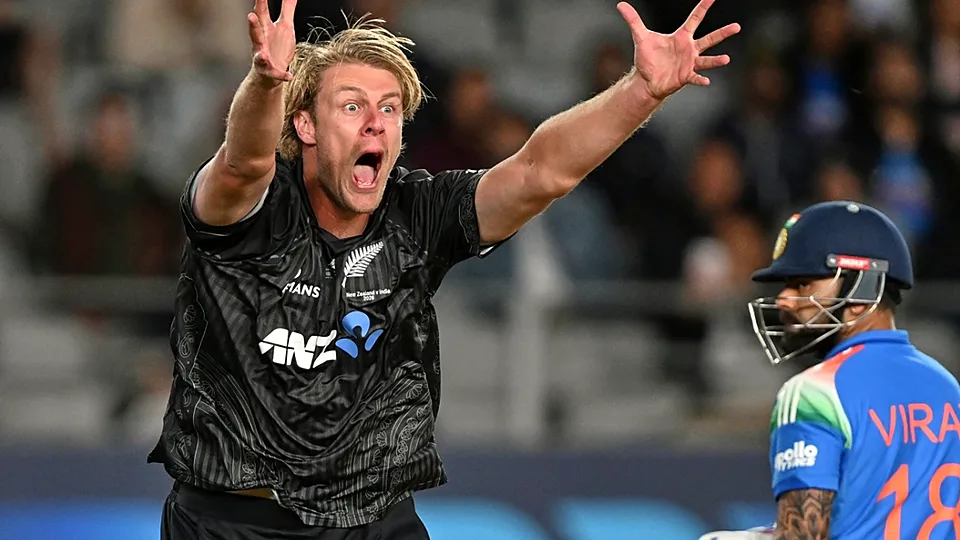
The second ball, a skiddy hard‑length from Tim Southee, rattled the New Zealand stumps at 8.45 pm IST. No fan in the dugout blinked. The wicket was the first of a six‑wicket haul that left India re‑thinking its XI before the toss.
Why Seam Dominance Redefined the Toss Dilemma
Wellington’s green‑top was a sticky red‑soil track that offered relentless carry for the quicks. The dew factor after 8:30 pm IST made the outfield a slick canvas for seamers, not spinners. Captains faced a classic pre‑toss conundrum: bowl first and exploit the early swing, or chase and hope the dew softens the seam. Both sides chose to bowl, a decision that cost them runs but saved wickets.
Short, sharp sentences shine here. The pitch talked. The bowlers answered. The batsmen? They struggled.
In the IPL context, this mirrors the early‑session strategy many franchises adopt on sub‑continental venues—maximise the new‑ball swing, then unleash power‑hitting under lights.
Impact Player Gambles: Who Gets the 4‑Over Slot?
Impact Player rules have turned the traditional XI into a chessboard. New Zealand rolled a left‑arm wrist‑spinner at 13.5 overs, hoping to pinch the middle overs. India counter‑pulsed with a seamer‑turned‑all‑rounder after 10 overs, a move that bewildered the opposition.
Short‑term impact, long‑term implications. The rule rewards squads with depth—teams that can field a fourth frontline bowler without compromising batting firepower. In the auction room, franchises are now sniffing for players who can slot into both roles, a trend that directly ties into athlete fitness & ipl news headlines.
- Fast bowlers with a batting average above 25 become premium.
- Spin‑all‑rounders with a 4‑over Impact clause climb the price chart.
- Fitness benchmarks now include repeat‑sprint ability for 4‑over bursts.
Left‑Right Pairing vs Wrist‑Spin: A Tactical Gold Mine
When the wrist‑spinner slipped in, New Zealand’s left‑right batting combo—Rohit Sharma (right) and Shubman Gill (left)—proved brittle. The ball spun sharply, targeting the pads of the left‑handed batsman and the outside edge of the right‑hander.
Was it a selection error? Probably. The right‑hander could have been a left‑handed power‑hitter to neutralise the wrist‑spin’s drift. The IPL has seen this pattern too: teams that lock in a left‑right duo often flatten the spin threat, especially on slow‑turning tracks.
Coaches should consider a left‑handed finisher for the death overs, a move that aligns with the modern fitness regimes focusing on agility and lower‑body strength.
Boundary Dimensions & Boundary‑Percentage: The Unseen Variable
Wellington’s boundary was a compact 62‑metre square on the leg side, but stretched to 78 metres straight. The boundary‑percentage for runs scored inside the 20‑over mark was a meagre 42 %.
That statistic is a gold nugget for IPL scouts. Teams with power‑hitters who can clear 78 metres become premium assets for venues like the Dubai International Stadium, where the straight boundary is equally daunting.
Short observation: smaller leg‑side fences favour sweep and paddle‑scoop. Bigger straight fences reward lofted drives. The data nudges franchise owners to build squads with a mix of ground‑stroke maestros and aerial specialists.
Fitness Signals: What the Wellington Test Says About IPL Conditioning
Both sides bowled 45 overs in a low‑scoring affair, yet fatigue set in only after the 30th over. The key? Athlete fitness & ipl news narratives now highlight endurance drills that mimic a full‑day spell. Players who can sustain a 140 km/h pace for 6‑over bursts while maintaining a sub‑30‑second sprint between deliveries are the new commodities.
“The pitch demanded more than skill; it demanded stamina,” said New Zealand’s fitness coach, echoing a sentiment that’s echoing across IPL dressing rooms.
That quote underlines a shift: conditioning units are now tailoring programs to the specific demands of seam‑friendly tracks—core stability for the delivery stride, high‑intensity interval training for the Impact Player’s 4‑over sprint.
In practical terms, franchises are likely to prioritize players with documented Yo-Yo IR2 scores above 17 meters, a metric that correlates with the ability to sustain pace on sticky surfaces.
Bottom line: Wellington reminded us that a seam‑friendly track can expose the thinness of a squad’s depth, but it also offers a crystal‑clear lens into how impact roles, left‑right combos, boundary calculus and elite fitness intertwine. For IPL auction strategists, the lesson is simple—stack the bench with versatile athletes, fine‑tune fitness protocols for high‑intensity bursts, and never underestimate the silent influence of boundary dimensions.
Related coverage
- New‑ball burst rattles Kiwis as India’s fitness‑driven line‑up cruises past Delhi
- Anshul Kamboj Bounces Back in Auckland: Fitness Focus Amid IPL Buzz

Updated 2026-11-09 · Instant Rupee Deposits & 60s Withdrawals · 24/7 Support.
Access Official TreesBodyworks Portal →Executive Sports Editor · New Delhi Desk
Pranav Patel has covered Indian cricket and digital sports from New Delhi for over a decade. At TreesBodyworks (treesbodyworks.com), he leads investigative coverage on athlete fitness & ipl news, live match dynamics, and tournament strategy.
Reader Discussion & Match Reactions (7)4.9★ Community (7 Comments)
Verified Indian cricket reader perspectives & tactical debate on treesbodyworks.com
Tim Southee’s early skiddy delivery that rattled the New Zealand stumps at 8.45 pm IST signals a massive swing in form, making his six‑wicket haul a fantasy gold‑mine for bowlers this week. With India re‑thinking its XI after the first wicket, the 4‑over impact‑player slot becomes a decisive fantasy lever, especially the seamer‑turned‑all‑rounder who rolls in at the 10‑over mark.
The Wellington green‑top behaved like a sticky red‑soil runway, delivering relentless carry for the quicks and forcing captains into the classic toss dilemma of exploiting early swing versus chasing under dew‑slick lights. Both sides elected to bowl first, a tactical gamble that surrendered runs but preserved wickets, mirroring IPL strategies where teams bank on early‑session swing before the outfield turns into a power‑hitting canvas.
Yaar, that skiddy ball from Southee was pure drama, and seeing both India and NZ bowl first felt like a Bollywood climax—full of tension, but now we wait for those power‑hitting fireworks under the lights, bhai!
New Zealand’s surprise left‑arm wrist‑spinner at 13.5 overs injects a middle‑over wicket‑taking option, boosting his fantasy points potential dramatically for anyone who banks on strike‑rate over economy. India’s decision to roll a seamer‑turned‑all‑rounder after 10 overs adds a fourth frontline bowler without sacrificing batting firepower, making him a must‑have in any IPL fantasy squad targeting that 4‑over impact slot.
Deploying the left‑arm wrist‑spinner at 13.5 overs exploits the dew‑softened surface, while the early‑session swing from Southee forces India to consider a short‑ball attack before the outfield dries. Field placements should tighten the slip cordon in the first six overs and shift to deep mid‑wicket once the seamers finish their spell, capitalising on the track’s carry and the twilight power‑play.
Bhai, those early wickets in Wellington felt like a cheap thriller, but the real money lies in the impact‑player gamble—if that seamer‑all‑rounder nails his 4‑over burst, it's pure paisa vasool for the fans!
@Shubham_Rao Absolutely, Southee’s six‑wicket spell reshapes the fantasy landscape, and the article’s note on the dew factor after 8:30 pm IST further tips the scales toward bowlers, making the early swing window a premium asset for point‑hunters.