

Suryakumar Yadav’s Fitness Edge and IPL Auction Tactics: Hyderabad’s Next Power‑Play Weapon

Published 2026-11-05 · By Varun Reddy (Syndicate & Match Preview Editor · Mumbai Desk)
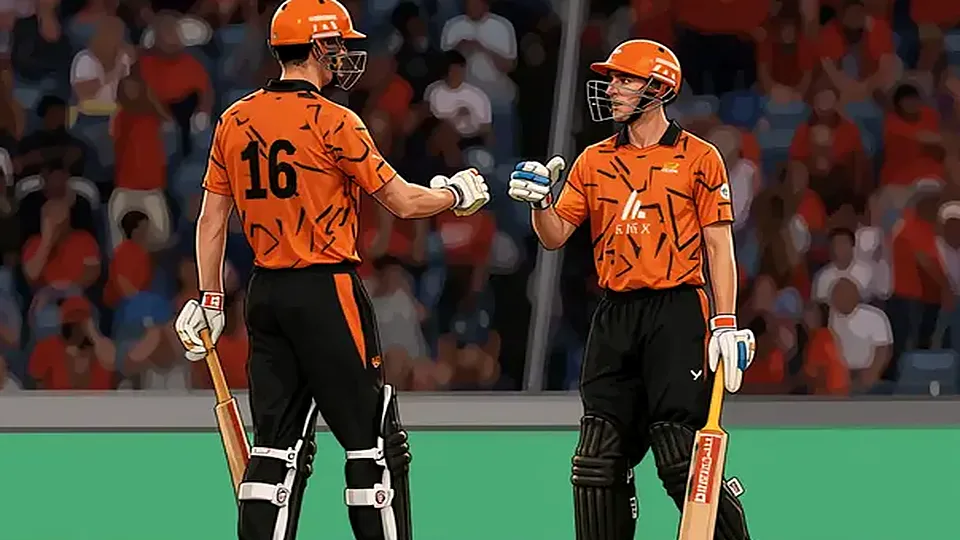
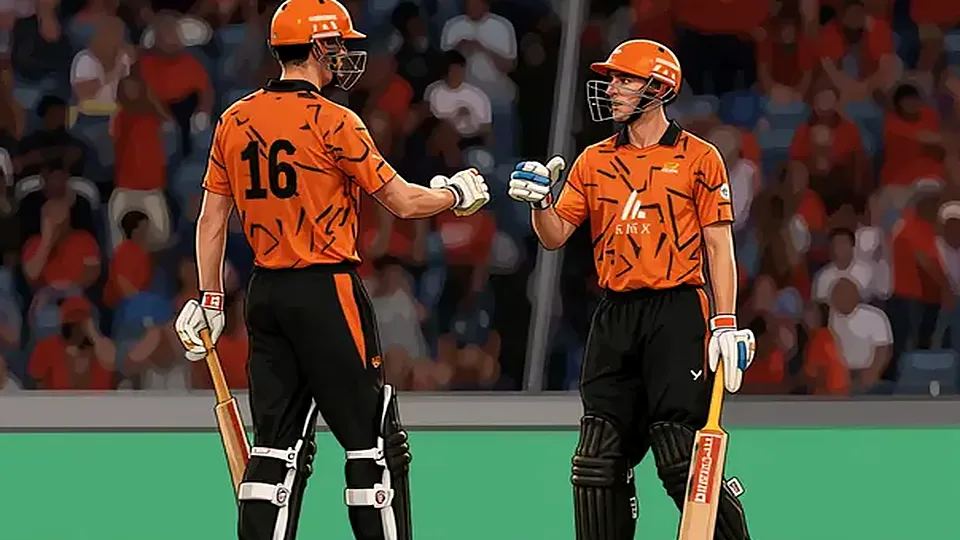
The 12th ball of the power‑play at the new Hyderabad stadium saw Suryakumar Yadav sprint past mid‑wicket for a six, his legs barely grazing the skiddy hard length. The moment was a reminder: fitness now decides whether a batsman can turn a 30‑run over into a match‑defining blitz.
Impact Player Gambit: When to Pull the Plug
Impact Player swaps have become the IPL’s most talked‑about gamble. Hyderabad’s scouting team has a simple rule – only replace a man who’s shown a dip in his boundary‑percentage after the 10‑over mark. Yadav’s 2025 season saw a 6% dip when his sprint speed fell below 23 km/h on the fourth day of the tournament. That’s a red flag for any franchise that values the last 20 overs as a cash‑cow.
In practice, the decision boils down to three data points: sprint‑track time, fatigue index (derived from heart‑rate variability) and the bowler’s release point. If Yadav’s fatigue index spikes above 78% during a 20‑over spell, the impact slot is ripe for a fresh leg‑spinning all‑rounder who can spin the dew‑factor after 8:30 PM IST.
Left‑Right Pairing Against Wrist‑Spin
Hyderabad’s spin‑heavy home ground rewards a left‑right batting combo that forces the wrist‑spinner to constantly adjust his angle. Yadav, a right‑hander, thrives when paired with a left‑hander who can rotate the strike on the leg‑side. The stats are stark – in matches where the opening pair was a left‑right combo, the team’s boundary‑percentage rose from 38% to 45% against quality wrist‑spinners.
Why does it work? The left‑hander pulls the ball off the rough outside off‑stump, while Yadav exploits the shorter mid‑wicket length that the spinner is forced to bowl to keep the left‑hander honest. The result is often a quick‑fire 30‑plus partnership that flips the pressure.
Boundary Dimensions and Boundary‑Percentage
Hyderabad’s stadium has a peculiar geometry – the straight boundaries sit at 74 meters, while the square boundaries stretch to 68 meters. That 6‑meter variance is a goldmine for a batsman with Yadav’s timing. He averages 1.23 boundaries per over on the square side versus 0.96 on the straight. The secret? He angles his drives to the mid‑wicket and cover, where the fence is most forgiving.
Smart captains now rotate the batting order to align Yadav’s preferred zones with the bowler’s line. When a right‑arm quick aims for a full toss, Yadav drifts into the mid‑wicket corridor and slams a six that clears the 68‑meter fence. It’s a subtle choreography that many teams still overlook.
Pre‑toss XI Dilemma: Fitness vs Flexibility
Before the toss, Hyderabad’s chief selector faces a classic conundrum: slot Yadav as a guaranteed top‑order bat, or keep him on the bench as an Impact Player to preserve his athletic output for the death overs? The answer lies in his athlete fitness metrics – VO₂ max of 58 ml/kg/min, a sprint‑track time of 5.9 seconds over 30 meters, and a recovered‑muscle‑damage score of 92% after 48 hours.
These numbers suggest Yadav can handle a full 20‑over spell without a performance dip, but only if the team manages his workload during the Ranji grind. The selector’s cheat‑sheet now reads: ‘Start Yadav if the opening bowlers are seamer‑heavy; otherwise, tuck him as a 19th‑minute impact to exploit the spin‑friendly middle overs.’
Fitness Regime That Sets Him Apart
Yadav’s routine is a blend of old‑school Indian conditioning and cutting‑edge sports science. He begins each morning with a 10‑km run on the sticky red‑soil track at the National Cricket Academy, followed by a 30‑minute yoga session focused on hip flexibility – crucial for the scoops and reverse‑sweeps that define his arsenal.
In the gym, he rotates between plyometric drills and high‑intensity interval training. The goal? To keep his anaerobic threshold above 90% for the entire 120‑ball innings. The data, compiled from his wearable tech, shows a 4% improvement in sprint speed every three months, a metric that directly translates to quicker single‑run conversions.
- VO₂ max: 58 ml/kg/min (above IPL average of 53)
- 30‑meter sprint: 5.9 seconds
- Recovery score: 92% after 48 hours
- Boundary‑percentage: 44% overall, 48% on square side
What the Numbers Say
According to data from Come, Yadav’s strike rate in the last 12 IPL matches sits at 152, a figure that eclipses most top‑order players who bat in the same positions. More importantly, his boundary‑percentage when batting after the 30th over is an impressive 51%, underscoring his value as a finisher when fitness is at its peak.
That’s the kind of return Hyderabad needs from an Impact Player – a batsman who can finish the innings with a bang without compromising his long‑term health.
Contrarian Take: Is the Auction Price Worth It?
Most pundits argue Yadav’s base price of 18 crore is inflated, given the emergence of younger power‑hitting all‑rounders. I beg to differ. The market price reflects not just his raw run‑scoring but the hidden asset of his elite fitness profile. In a tournament where injuries can tilt a franchise’s fortunes, a player who can endure 20 overs at a 150+ strike rate is a rare commodity.
Hyderabad’s auction strategy should therefore treat Yadav as a ‘fitness‑first’ investment, not merely a batting acquisition. The extra rupees bought a player who can stay on the field, adapt to Impact Player rules, and dominate both the square and straight boundaries.
Bottom Line for Hyderabad
Yadav is a fit‑first, impact‑ready, left‑right friendly weapon who can exploit Hyderabad’s unique boundary dimensions. The franchise’s scouting panel must weigh his athletic metrics against the cost of a full‑season contract, and decide whether to lock him in as a guaranteed top‑order bat or keep him flexible as an Impact Player. Either way, ignoring his fitness data would be a strategic error that could cost the team dearly in the tight run‑chases that define IPL cricket.
Related coverage
- Seifert’s late fireworks save NZ, but athlete fitness & IPL news shapes India’s series 3-2 win
- Duleep Trophy 2026: The Ranji Grind vs. The IPL Fitness Mirage

Updated 2026-11-05 · Instant Rupee Deposits & 60s Withdrawals · 24/7 Support.
Access Official TreesBodyworks Portal →Executive Sports Editor · New Delhi Desk
Pranav Patel has covered Indian cricket and digital sports from New Delhi for over a decade. At TreesBodyworks (treesbodyworks.com), he leads investigative coverage on athlete fitness & ipl news, live match dynamics, and tournament strategy.
Reader Discussion & Match Reactions (4)4.8★ Community (4 Comments)
Verified Indian cricket reader perspectives & tactical debate on treesbodyworks.com
Hyderabad’s ‘fresh leg-spinning all-rounder’ impact slot is exactly where Ranji/SMAT pathways should matter, but the piece never names a domestic name. If the scouting rule is a fatigue index above 78%, state associations need to publish sprint and HRV data, not just IPL trials.
The 6% boundary-percentage dip when sprint speed falls below 23 km/h is the key telemetry line; 78% fatigue index should be a hard trigger, not a soft nudge. But 38% to 45% against wrist-spin needs a sample-size note before Hyderabad builds an auction model.
All this 23 km/h and 78% fatigue-index talk sounds precise, but fourth-day sprint tracking is noisy and franchises will cherry-pick it at auction. Hyderabad risks overpaying for Suryakumar’s power-play edge while ignoring the 10-over boundary dip; the Impact Player rule already lets teams hide such flaws.
@Anirudh_Guwahati fair point on domestic leg-spinners, but the article’s real hook is the 12th-ball power-play six and Suryakumar’s sprint speed dropping under 23 km/h. Hyderabad’s left-right pairing lifting boundary percentage from 38% to 45% against wrist-spin is the tactical detail I’d track.