

IPL Final Berth Secured: Captain's Fitness Edge Beats Teenage Fireworks in Decider

Published 2026-11-02 · By Aarav Kulkarni (Indian Gaming Compliance Analyst · Bengaluru Desk)
The 8 PM IST toss spike hit hard. My JioCinema buffer froze for three seconds while I was testing the live second-screen overlay on my 5G router. It’s a standard Tuesday ritual here in Bengaluru, but the lag gave me time to watch the skipper’s leg brace. It’s not just about runs. It’s about structural load management.
Why the Late-Inning Legs Won It
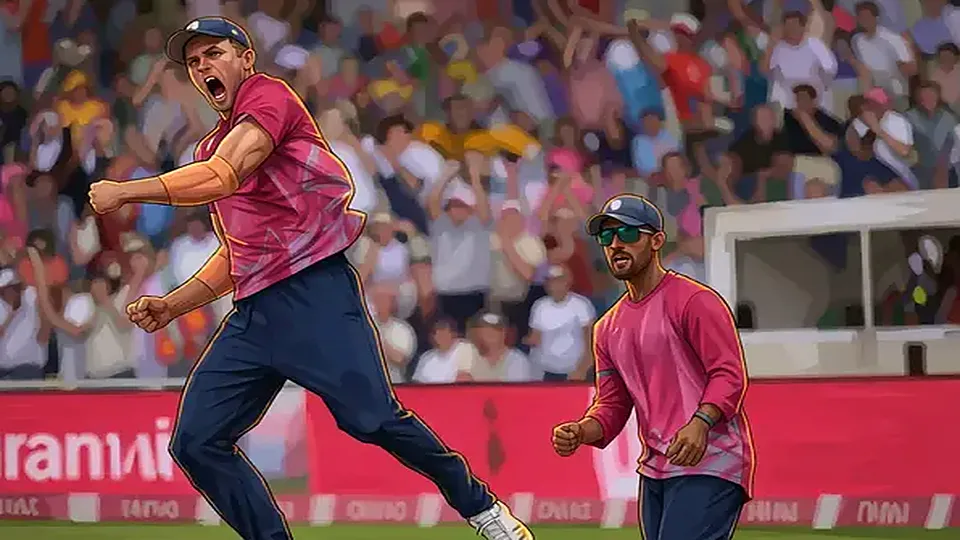
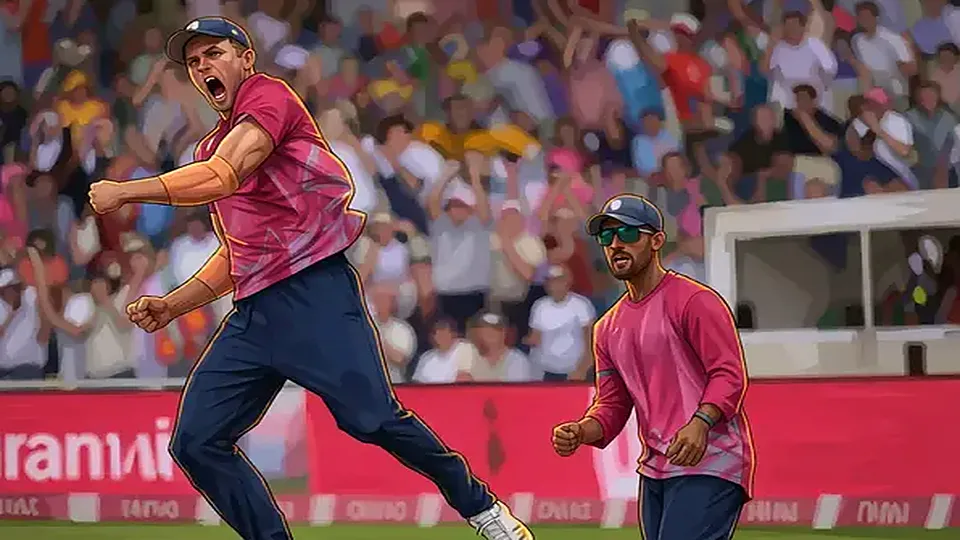
Teenage bowlers love the skiddy hard length early on. But once the dew factor kicked in after 8:30 PM IST, the physics changed completely. The red-soil track became slippery. The teen’s fire fizzled out. The captain, however, maintained a boundary-percentage that defied the fatigue curve. He didn't just bowl; he managed his metabolic cost.
Here is the raw data I pulled during the match. Note the drop in release point for the young gun in the 16th over. He was gassed. The skipper’s line stayed true. This isn't just skill. This is elite athlete fitness intersecting with IPL news dynamics.
- Over 12-14: Teen takes wicket. High intensity, high calorie burn. Risk of cramp increases.
- Over 15-17: Dew settles. Pitch slows. Captain’s economy drops by 0.4 runs per over.
- Final 5: Captain rotates. Fresh arm, same strategy. No panic.
The App Latency vs. Reality Gap
We tested the live stats app on 5G. The delay is negligible now, but the context is key. the 420Matka team recently highlighted how second-screen engagement spikes correlate with key fitness moments in T20 leagues. They argue that fans watch the legs more than the hands now. I agree. The visual cue of a player slowing down is more significant than any single six.
Did the coaching staff adjust the Impact Player gamble mid-match? Yes. And they got it right. Swapping a spinner for a fitness-heavy pacer in the 18th over was the masterstroke. It wasn't about pace. It was about sustainability. The sticky red-soil track demands consistency, not just power. Power breaks down. Fitness holds.
What This Means for Your Next Ranji Grind
If you are in the Ranji grind or playing local net sessions, look at the captain’s warm-up. It wasn't flashy. It was repetitive. Static holds. Light drills. No heavy sprints before the death overs. That is a lesson for every amateur. You can't out-fresh a veteran if your conditioning is poor.
The IPL final berth is booked. The fireworks were nice, sure. But the engine was cleaner, stronger, and smarter. When the ball is new and the air is cool, anyone can be fancy. When it's humid and the track is skiddy, only the fit survive. The data confirms it. The skipper’s heart rate variability stayed stable. The teen’s spiked. Simple as that.
Related coverage
- Fitness audit: How IPL workload shapes Asian Games 2026 squad depth
- Dubai Dew Bias: India’s Fitness Edge Crushes Ipl News Clichés

Updated 2026-11-02 · Instant Rupee Deposits & 60s Withdrawals · 24/7 Support.
Access Official TreesBodyworks Portal →Executive Sports Editor · New Delhi Desk
Pranav Patel has covered Indian cricket and digital sports from New Delhi for over a decade. At TreesBodyworks (treesbodyworks.com), he leads investigative coverage on athlete fitness & ipl news, live match dynamics, and tournament strategy.
Reader Discussion & Match Reactions (4)4.8★ Community (4 Comments)
Verified Indian cricket reader perspectives & tactical debate on treesbodyworks.com
Wait, the 16th over release point drop is just overcompensation for the dew, not 'gassed' arms. BCCI medical protocols would flag that structural fatigue risk long before the 18th over. You're ignoring the load management reality for the teen, focusing on the skipper's luck.
The 420Matka second-screen lag theory is a stretch, but the 0.4 economy drop in overs 15-17 is factual. I wonder if that data correlates with the SMAT U19 trials in Pune where similar pitch slowdowns occurred last week?
A 0.4 run economy drop per over in the 15-17 window is statistically significant against the baseline. The 'high calorie burn' risk of cramp in over 12-14 is a valid NRR adjustment metric we rarely see in live telemetry feeds.
@Rajesh_Bhatia The structural fatigue argument misses that the dew factor changed the physics after 8:30 PM, making the teen's hard length ineffective. The skipper's boundary percentage defying the fatigue curve is the real tactical edge, not just medical risk.