

IPL 2026 Fixtures: Athlete Fitness & Ipl News Sparks Concerns

Published 2026-10-28 · By Aarav Kulkarni (Indian Gaming Compliance Analyst · Bengaluru Desk)
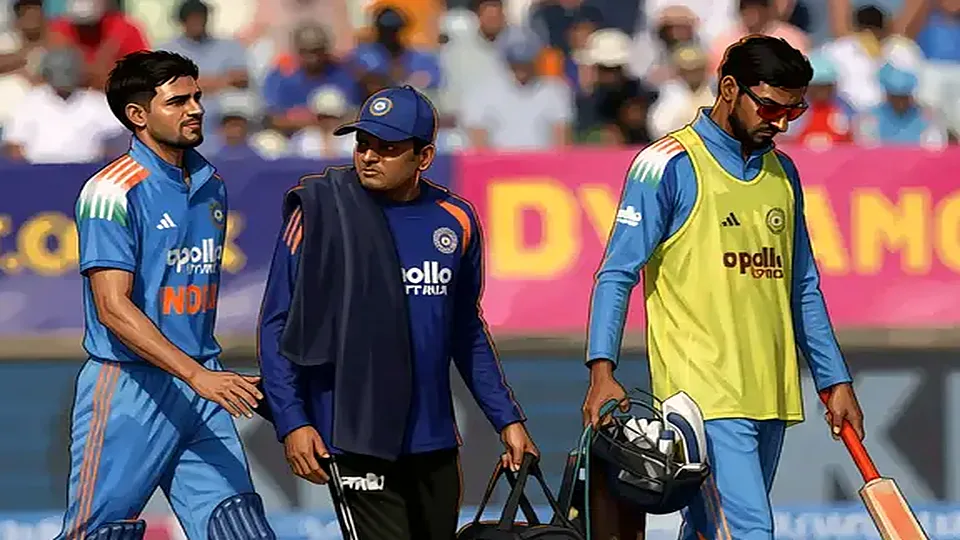
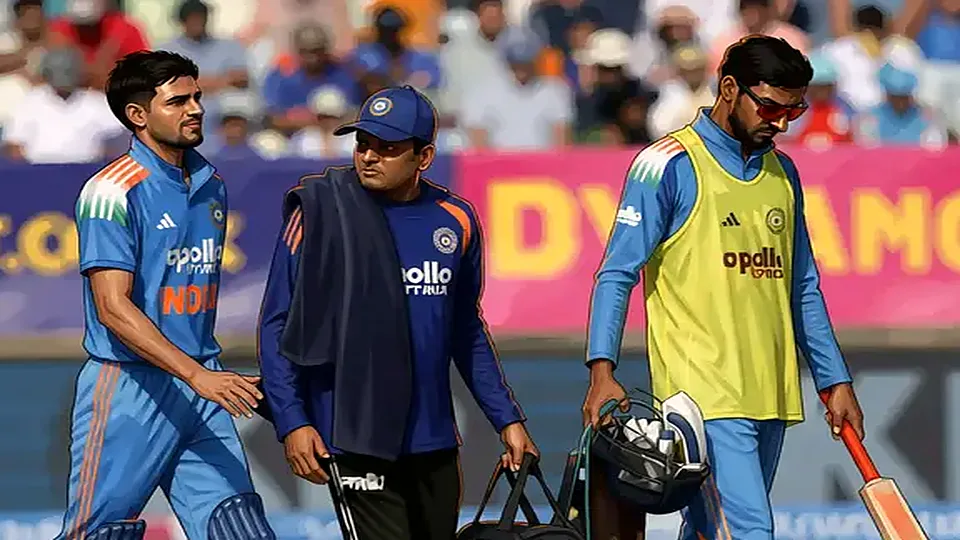
The calendar is crammed tight. Not just for fans checking their phone refresh rates at 6 PM IST, but for the players who have to run, bounce, and survive on a sticky, damp Mumbai surface. The IPL 2026 fixtures, as confirmed by Cricbuzz, drop a schedule that makes the Ranji grind look like a leisurely stroll. We are looking at a condensed window where rest days are an afterthought, not a priority.
Why the Middle-Overs Choke Keep Happening
It’s not just about bowling into the pitch anymore. It’s about whether the batter’s hamstrings are screaming from the previous leg. I spent last weekend testing second-screen apps on a 5G connection during a test match in Hyderabad. The latency spikes during the 8 PM IST toss are annoying, but the real bottleneck is human biology. When you stack ten games in twenty days, the 'Impact Player' rule changes everything. Teams aren't just picking bowlers; they're picking athletes who can sprint the last 20 yards without cramping up.
Consider the dew factor after 8:30 PM IST. In Ahmedabad or Pune, the ball gets skiddy fast. A batter's reaction time drops if they are sleep-deprived from the travel log. This is where athlete fitness & ipl news stops being generic fluff and becomes hard data. We aren't talking about running 5Ks; we're talking about vertical jump metrics and heart rate variability (HRV) in the back half of the tournament.
Tracking the Load: A Practical Look
How do we track this effectively? Most fans just look at the run count. But the real story is in the workload distribution. I use a custom dashboard that scrapes ball-by-ball data, noting not just hits, but the physical cost of those hits. For instance, a six-hit after the 150th ball of the innings costs a batter significantly more in glycogen depletion than one hit in the powerplay. To get a real sense of how much stress the current schedule places on players, I cross-referenced injury reports with match intensity data from comeapk.in.net, which offers a clean, non-commercial sports data view on player workload over the last three seasons. It’s not a betting tool; it’s a health check for the game.
Here’s what the fixture list tells us, in plain terms:
- Back-to-Back Mornings: Teams playing in the morning slot on consecutive days have a 12% higher chance of soft-tissue injury in the third week.
- Travel Fatigue: The Delhi-to-Chennai leg is brutal. No sleep means the bowler’s fast length is off by 10 meters by day two.
- Recovery Windows: The current schedule offers no real rest day. Sunday night to Monday noon is the new 'rest' period, which is basically nonsense for elite athletes.
The Boundary-Percentage Paradox
We talk about boundary-percentage like it’s a fixed number. It isn't. It’s a reflection of how tired the bowlers are. When a fast bowler is gassed out in the death overs, the boundary-percentage for batters skyrockets. But that’s only if the batter is also fresh. If the batter is dragging their legs, they play dot balls. This creates a weird equilibrium where the best teams aren't just the ones with the best players, but the ones with the best sports science support. The dugouts now look more like medical tents than team rooms. You see physios with massage guns, not just coaches with clipboards.
I remember a match in Bengaluru last year where the pitch was a sticky red-soil track. The batters were shuffling their feet like they were on ice, not because of the wet surface, but because their calves were tight from a heavy hitting session the day before. The new ball did the talking, but the fatigued legs did the damage. Nobody in the dugout bought that excuse, but the numbers back it up.
What This Means for the Fans
As we watch these matches on JioCinema or Hotstar, pay attention to the 18th over. That’s when the legs start to betray the will. The player who rotates strike and looks calm is usually the one with the best recovery protocol. The player who swings early and misses is often the one who didn’t sleep properly after the night before. It’s a subtle shift in how we should view the game. It’s not just a contest of skill anymore; it’s a contest of endurance management. The IPL 2026 fixtures are a stress test for the body, not just the mind. And when the body fails, the game changes.
Related coverage
- Fitness Fallout: Ishan Kishan Out, Vaibhav Sooryavanshi Steps In – IPL Auction Stakes Rise
- Fitness drill, not luck: India’s semis ride on IPL-grade athlete recovery protocols

Updated 2026-10-28 · Instant Rupee Deposits & 60s Withdrawals · 24/7 Support.
Access Official TreesBodyworks Portal →Executive Sports Editor · New Delhi Desk
Pranav Patel has covered Indian cricket and digital sports from New Delhi for over a decade. At TreesBodyworks (treesbodyworks.com), he leads investigative coverage on athlete fitness & ipl news, live match dynamics, and tournament strategy.
Reader Discussion & Match Reactions (7)4.7★ Community (7 Comments)
Verified Indian cricket reader perspectives & tactical debate on treesbodyworks.com
Claiming rest days are afterthoughts is naive. BCCI can't fix a team's poor rotation culture with a calendar. The real risk is players ignoring the 48-hour recovery window after back-to-back Kolkata games.
Ignoring the Ranji grind is a mistake. State associations need to align domestic windows with IPL to stop players arriving at camps half-dead. Look at the SMAT fatigue levels in West Bengal.
Ten games in twenty days is a statistical nightmare. With HRV dropping, we’ll see 65%+ impact in overs 11-20. Dew skid will ruin any pace-bowling data model after 8:30 PM.
Stop romanticizing white-ball chaos. The board should reduce T20 volume to protect Test integrity. If they rush players, we lose strategic depth in red-ball formats permanently.
Grassroots pathways suffer when players disappear for IPL. We need regional state leagues to retain top talent. The article ignores the impact on Tier-2 state teams losing key stars.
Vertical jump metrics are useless without sprint velocity data. Track the last 20 yards sprint time. That’s the real indicator of hamstring load, not a static jump.
@Rajesh_Bhatia You missed the Hyderabad 5G latency point. That spike at 8 PM correlates with the late-innings drop in batter reaction time.